
Top Local Heating Supply Replacements That Instantly Improve Home Comfort
When a heating system begins struggling to keep rooms comfortable, replacing outdated components can make a noticeable difference. Uneven temperatures, slow warm-up times, unusual noises, and frequent cycling may indicate that existing equipment is no longer meeting the needs of the home. Updating the right components can improve heating performance without necessarily requiring a complete system redesign. Understanding which local heating supplies may need replacement helps homeowners make informed decisions about comfort, efficiency, and system reliability.
Improving Heat Distribution
Uneven heating is one of the most frustrating problems in a home. Some rooms may feel comfortable while others remain noticeably colder, particularly when air distribution components are aging or improperly matched to the system. Replacing worn registers, grilles, dampers, or other distribution components can help direct conditioned air where it is needed.
Selecting properly sized replacements can help create more consistent temperatures between rooms. Local heating supplies that support better distribution can therefore contribute to a more comfortable indoor environment during colder weather.
Replacing Aging Thermostats
The thermostat plays an important role in controlling when a heating system operates. Older thermostats may provide limited control or respond less precisely to changes in indoor temperature. Replacing an outdated control with a modern, compatible thermostat can give homeowners greater control over their heating settings.
A professional can determine which thermostat is appropriate for the existing equipment and household needs. For homeowners experiencing inconsistent comfort, thermostat replacement may be an effective component upgrade.
Updating Air Filters
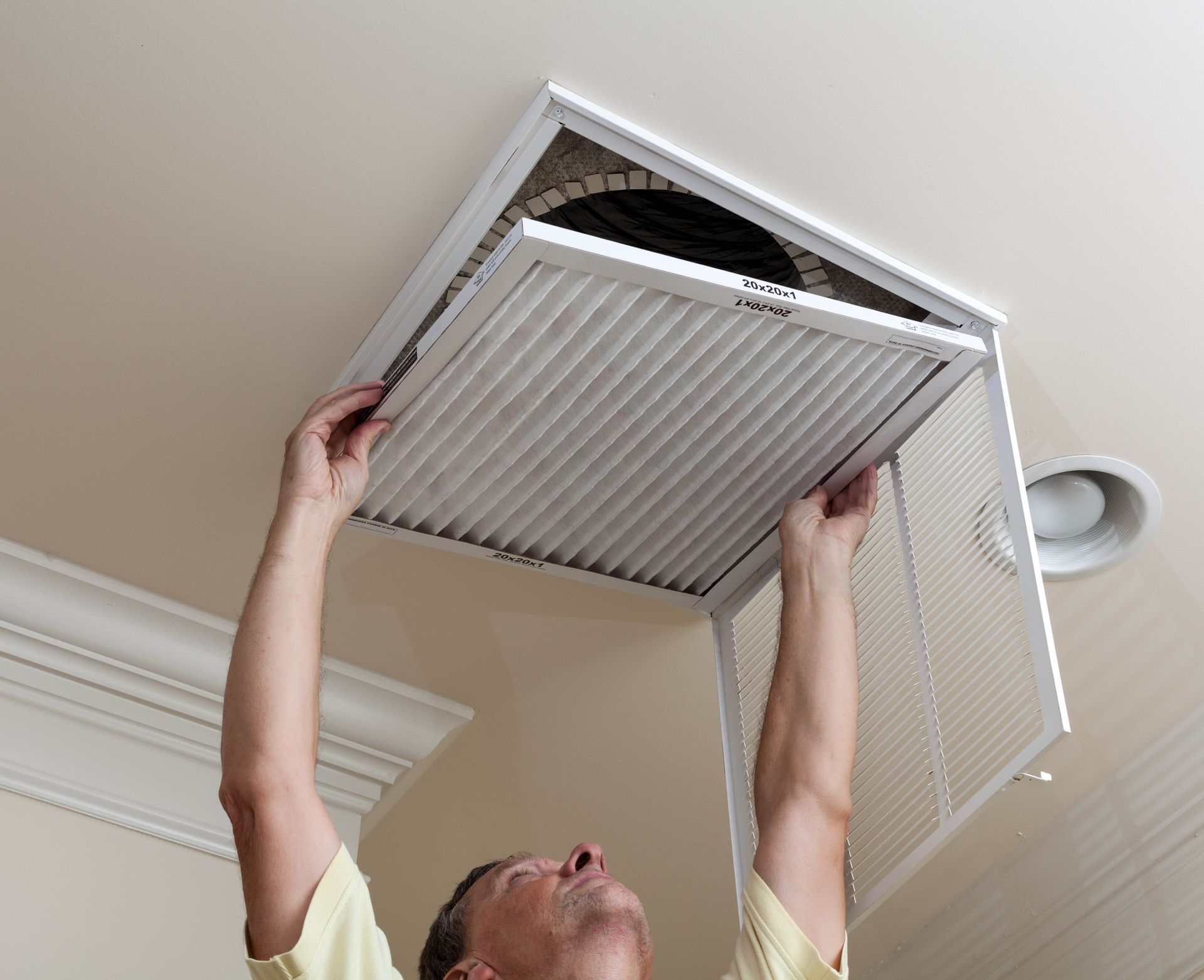
Air filters affect both indoor air movement and the condition of heating equipment. When a filter becomes excessively loaded with dust and airborne particles, airflow can become restricted. Reduced airflow may make the system work harder and can contribute to inconsistent temperatures throughout the home.
Replacing filters with products appropriate for the system can support better airflow and help protect internal components. Filter requirements vary by equipment, so professional guidance can be useful when selecting the correct size and type.
Replacing Worn Duct Components
Ductwork carries heated air from the equipment to different areas of the home. Damaged connections, deteriorated sections, or poorly sealed joints can allow heated air to escape before reaching its intended destination. These problems can reduce the effectiveness of the heating system and contribute to temperature differences between rooms.
Professional technicians can inspect accessible duct components and identify areas where local heating supplies may require replacement or repair. Updating damaged sections can help preserve heated airflow and improve the overall performance of the distribution system. Properly selected duct components can also support a more balanced indoor environment.
Upgrading Circulation Components
Forced-air systems depend on fans, blowers, and related components to move heated air throughout a property. When these parts become worn, airflow may weaken or become inconsistent. A struggling blower can also contribute to unusual sounds, longer heating cycles, and reduced comfort.
If replacement is appropriate, selecting components compatible with the existing system is essential. Properly functioning circulation equipment helps move heated air efficiently and can improve how quickly rooms reach the desired temperature.
Replacing Hydronic Components
Homes with hydronic heating systems have different replacement needs from properties that rely on forced air. Pumps, valves, expansion tanks, radiators, baseboard components, and other parts all contribute to how heated water circulates through the system. Aging or damaged components can interfere with heat delivery and create uneven comfort.
Professional technicians can assess hydronic equipment and identify parts that have reached the end of their useful service life. Replacing the appropriate component can restore circulation and improve heat transfer without automatically replacing the entire system. Local heating supplies designed for hydronic applications can provide targeted solutions when specific components begin to deteriorate.
Upgrading Radiators and Baseboards
Radiators and baseboard heaters transfer heat into occupied rooms, making their condition important to overall comfort. Older units may have accumulated wear, developed leaks, or become less effective at distributing heat. In some cases, replacement can provide a cleaner appearance along with improved heat delivery.
A professional can evaluate the size and output requirements of a room before recommending replacement equipment. Proper sizing helps ensure the new unit can provide an appropriate amount of heat for the space. Updating these visible heating components can make rooms feel more comfortable while also improving the appearance of the heating installation.
Replacing Aging Valves
Valves regulate the movement of water or other fluids through many heating systems. A valve that no longer operates correctly can restrict circulation or make it difficult for different areas of the home to receive the intended amount of heat. Because valves are connected to the broader heating system, selecting the correct replacement is important.
A qualified technician can identify the valve type and determine whether replacement is appropriate. Installing a compatible component can restore more predictable system operation. This targeted approach can improve comfort.
Updating Expansion Tanks
Expansion tanks are important components in many hydronic heating systems because they accommodate changes in water volume as the system heats and cools. When an expansion tank develops problems, pressure fluctuations or other operational concerns may occur. These issues should be evaluated by a qualified professional.
If the tank is no longer functioning properly, replacement with a correctly sized unit can help restore appropriate system operation. Professionals can evaluate system pressure and equipment specifications before selecting a replacement. Using compatible local heating supplies helps ensure that new components work appropriately with the existing heating infrastructure.
Improving System Controls
Modern heating systems can use a variety of controls to regulate temperature, circulation, zones, and equipment operation. Older controls may not provide the same level of precision as newer compatible components. Replacing outdated controls can improve how a heating system responds to changing household demands.
An HVAC technician can evaluate the existing configuration and recommend appropriate replacements. Better control can make it easier to maintain comfortable temperatures while allowing the system to respond more efficiently to household needs.
Supporting Reliable Winter Performance
Heating equipment is especially important during periods of cold weather, when failures can quickly become disruptive. Replacing worn components before they fail completely can reduce the possibility of unexpected interruptions.
According to BDR, the number of HVAC system replacements in the United States is projected to reach approximately 3.5 million units in 2026. This expected volume reflects the ongoing need to update aging heating and cooling equipment across the country. Choosing appropriate
local heating supplies can be part of a broader strategy for maintaining dependable heating performance as equipment ages.
Matching Components to Existing Equipment
Not every replacement part is appropriate for every heating system. Size, capacity, connection type, material, voltage, and manufacturer specifications can all affect compatibility. Installing an incorrect component may reduce performance or create additional equipment problems.
Professional suppliers and HVAC technicians can help verify the specifications of replacement components before installation. This reduces the likelihood of selecting a part that does not properly match the system. Careful compatibility checks are particularly important when replacing specialized components or equipment that interacts with multiple parts of the heating system.
Choosing Professional Replacement Support
Replacing heating components involves more than purchasing a new part. The underlying cause of a comfort problem should be evaluated so that the replacement actually addresses the issue. A qualified professional can inspect the system, identify worn components, and determine which upgrades are appropriate.
Hydronic Supply Commack Inc can help homeowners identify heating components suited to their systems and comfort requirements. Our team provides knowledgeable support for selecting quality replacement products and can help customers understand which components may improve their home's heating performance. Contact Hydronic Supply Commack Inc today to discuss your heating needs and explore the right replacement options for a more comfortable home.
Share On: