
Essential Plumbing Supplies Every Contractor Should Buy in Bulk
Efficient project execution in commercial and residential construction depends heavily on consistent access to core plumbing materials. For contractors, sourcing plumbing supplies in bulk reduces interruptions, supports job scheduling, and helps maintain predictable project costs. With construction demand continuing across multiple sectors, stocking the right categories of plumbing materials becomes a practical operational decision rather than an occasional purchasing choice. Bulk planning also reduces dependency on last-minute procurement cycles, which often create avoidable delays on active job sites.
The U.S. distribution landscape reflects the scale of this demand. According to IBISWorld, the plumbing and heating supplies wholesaling industry in the United States includes 2,203 businesses. This broad network supports contractors who rely on steady access to essential materials such as pipe systems, fittings, and mechanical components. Below is a structured breakdown of essential plumbing supplies contractors typically purchase in bulk to maintain workflow continuity and reduce procurement delays.
Stocking Core Pipe Systems
Piping forms the backbone of nearly every plumbing system, making it one of the most frequently bulk-purchased categories of plumbing supplies. Contractors typically maintain inventory across multiple material types to accommodate varying project requirements.
Common pipe materials include PVC for drainage systems, PEX for flexible water distribution, and copper for long-lasting potable water lines. Each material serves a specific function depending on pressure requirements, temperature exposure, and building design specifications. Bulk purchasing ensures consistent sizing compatibility across large-scale installations, reducing the risk of mismatched components during active construction phases.
Maintaining a steady supply of pipe materials also supports faster response times on job sites where design adjustments or rerouting are required without procurement delays. It also allows project managers to standardize material usage across crews working on different phases of the same build. Over time, this consistency reduces rework caused by incompatible piping selections. It further supports smoother coordination between rough-in and finishing teams working under tight deadlines.
Acquiring Fittings and Connection Components
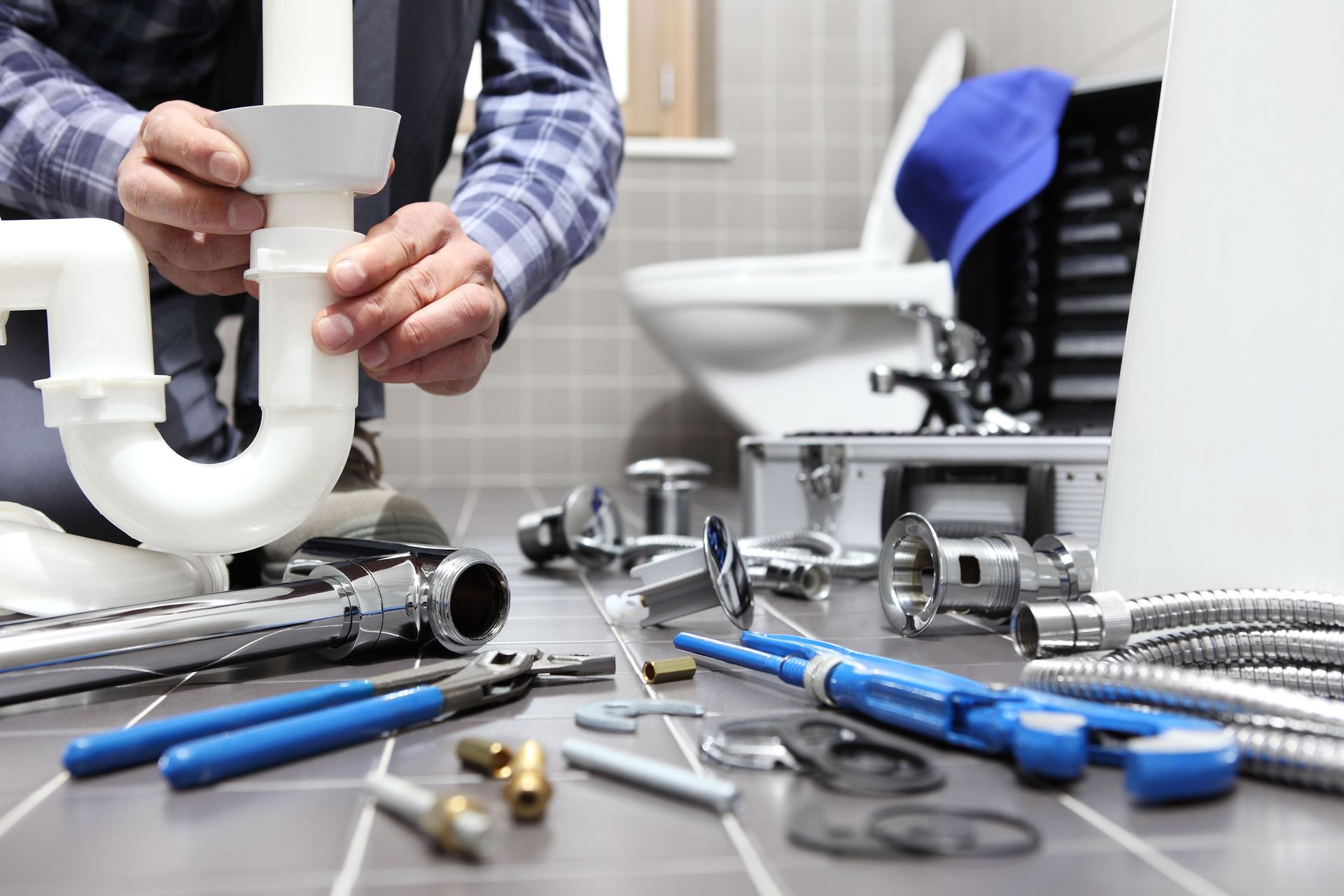
Fittings are critical plumbing supplies that ensure structural integrity across piping networks. These components include elbows, tees, couplings, reducers, and adapters that connect and redirect flow within a system.
Contractors often purchase fittings in bulk because they are used in high quantities across virtually every project. Having a well-stocked inventory reduces downtime caused by missing or incompatible connection pieces. It also allows crews to adapt quickly to field conditions without waiting for additional deliveries.
Because fittings must align precisely with pipe dimensions and system requirements, maintaining a comprehensive bulk inventory helps standardize installation quality across multiple job sites. It also reduces the likelihood of improvisation in the field, which can lead to inefficiencies during inspections. Larger inventory buffers also help accommodate unexpected design changes during active construction phases. This added flexibility can be especially valuable in retrofit projects where existing infrastructure introduces variability.
Managing Valves and Flow Control Mechanisms
Valves are essential plumbing supplies used to regulate water flow, isolate sections of a system, and support maintenance operations. In commercial and industrial applications, valves are used extensively throughout mechanical rooms, distribution lines, and service access points.
Contractors commonly stock ball valves, gate valves, and check valves in bulk to ensure they can accommodate both planned installations and unexpected system adjustments. These components are often required in multiple configurations depending on pressure ratings and system design.
Bulk purchasing allows contractors to maintain continuity across projects that involve repeated system layouts or standardized mechanical specifications. It also helps reduce delays during inspection phases where access points must be quickly added or modified. Having valves readily available can prevent scheduling disruptions when systems require immediate isolation. This becomes particularly important in multi-building developments where phased commissioning is required.
Integrating Fixtures and Endpoint Equipment
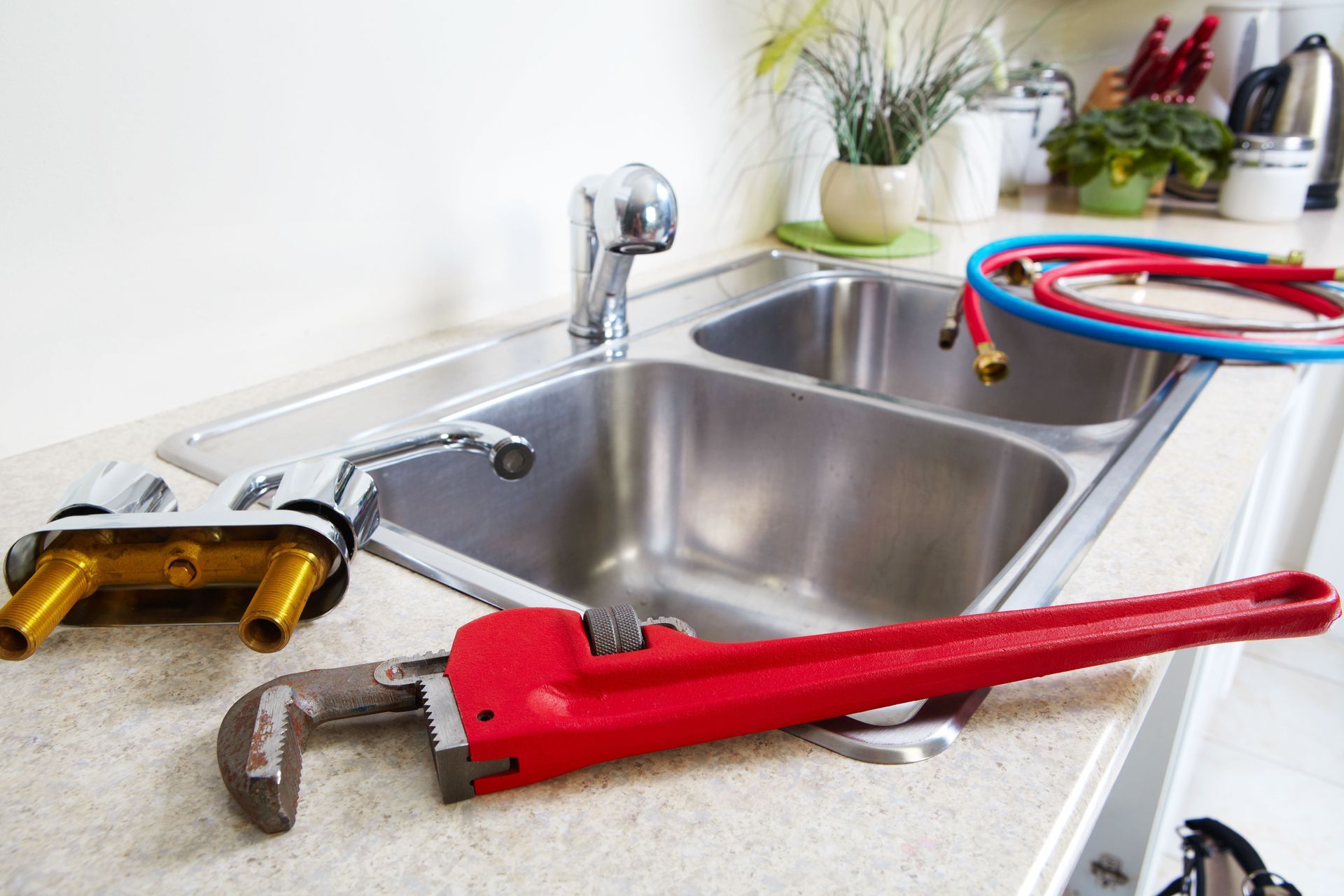
Fixtures represent the visible endpoint of plumbing systems and are among the most frequently specified plumbing supplies in construction projects. These include sinks, faucets, toilets, and other terminal components that connect directly to water distribution systems.
For contractors, bulk ordering fixtures supports consistency across multi-unit developments such as commercial buildings, housing complexes, and institutional facilities. It also simplifies installation workflows when identical components are required across repeated floor plans.
Because fixtures often require coordination with rough-in plumbing systems, maintaining inventory alignment helps reduce installation delays during finishing phases of construction. It also minimizes variation between units, which can simplify maintenance planning after project completion. Consistent fixture sourcing can also reduce last-minute substitution issues when timelines tighten. In large-scale builds, this consistency supports predictable staging of finishing crews across multiple floors or sections.
Supporting Projects with Pumps, Tanks, and Mechanical Systems
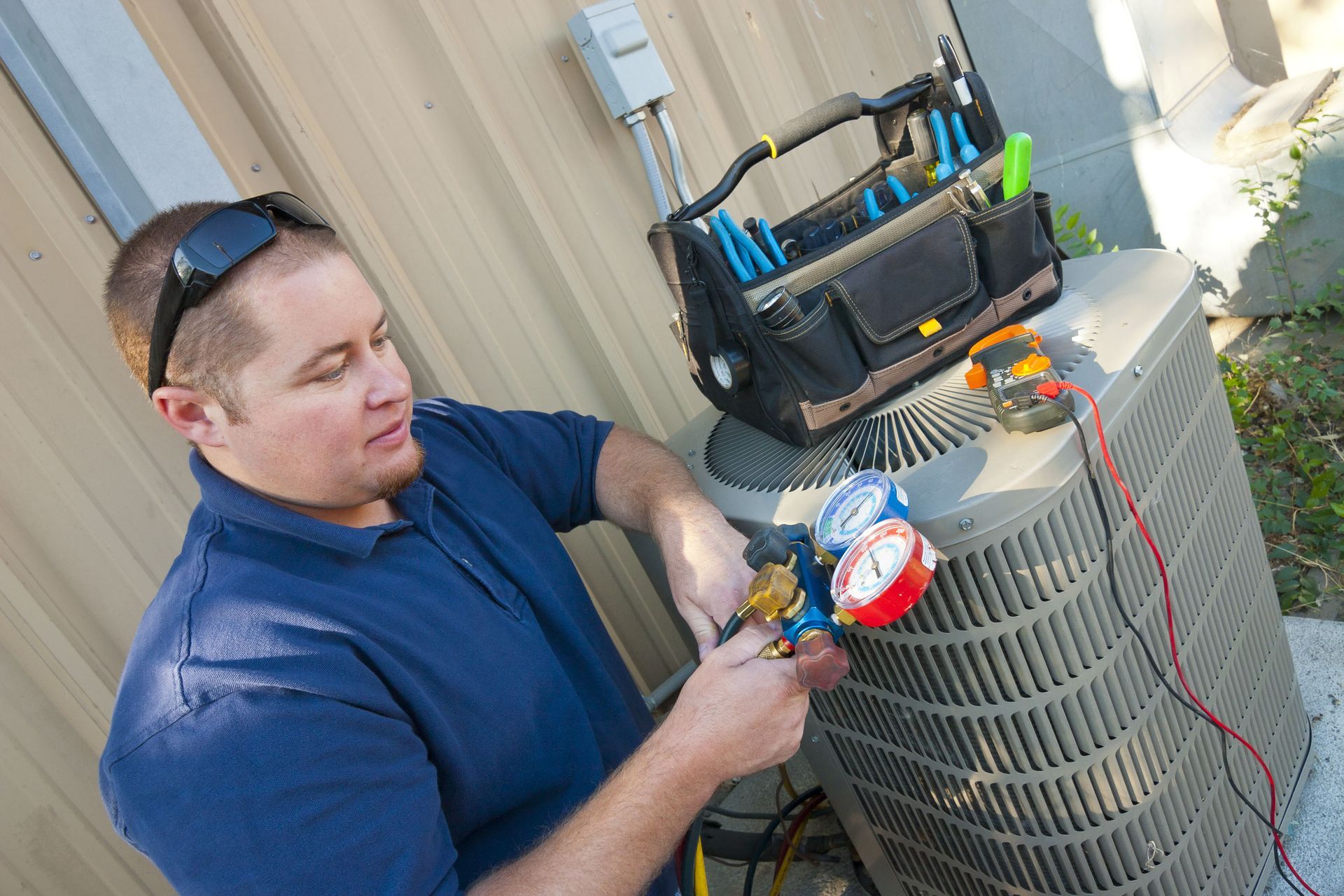
Mechanical components such as pumps, expansion tanks, and water heaters are higher-value plumbing supplies that play a critical role in system performance. These items are essential in both residential-scale and large commercial applications where pressure regulation and hot water delivery systems are required.
Contractors frequently purchase these systems in bulk when managing multi-phase construction projects or long-term maintenance contracts. Having standardized mechanical components on hand reduces configuration discrepancies and supports consistent system performance across installations.
Proper inventory planning in this category helps ensure mechanical readiness when projects transition from rough-in stages to final commissioning. It also reduces delays caused by sourcing compatible replacement units during system testing. In larger builds, bulk availability supports parallel installation workflows across multiple zones. It further allows mechanical teams to stay aligned with electrical and structural scheduling milestones.
Organizing Consumables and Small-Scale Installation Materials
Consumables such as sealants, adhesives, pipe straps, tape, and fasteners are often overlooked but remain essential plumbing supplies in every installation environment. These items are used continuously throughout construction phases and are consumed at a faster rate than larger system components.
Bulk purchasing of consumables helps prevent small but disruptive shortages that can slow down active job sites. Contractors often maintain these items in organized storage systems to ensure quick access during installation, inspection, and maintenance tasks.
While individually low-cost, these plumbing materials contribute significantly to overall project efficiency when properly stocked in volume. They also reduce the frequency of mid-project supply runs, which can interrupt workflow momentum. Consistent replenishment cycles help maintain steady productivity across multiple crews. Proper tracking of consumables also helps avoid overuse and keeps material usage aligned with project budgets.
Coordinating Inventory for Large-Scale Project Efficiency
Inventory coordination is a major factor in successful contractor operations. Bulk purchasing of plumbing supplies allows teams to standardize plumbing materials across multiple job sites, reduce procurement cycles, and minimize variability in installation practices.
A consistent supply chain also helps contractors better manage scheduling, labor allocation, and project forecasting. When plumbing materials are readily available, teams can focus on execution rather than waiting for deliveries or sourcing replacements mid-project.
Effective coordination also improves cost predictability by reducing last-minute purchasing premiums. It supports smoother transitions between project phases, especially when multiple teams are working concurrently. Over time, structured inventory systems help reduce waste and over-ordering. It also improves accountability by making material usage easier to track across multiple active projects.
Contractors who maintain structured bulk inventories of essential plumbing supplies can reduce delays, improve workflow consistency, and support more predictable project outcomes across multiple builds. From piping systems to mechanical components, bulk purchasing remains a practical strategy for managing large-scale construction demands. For ongoing project readiness and dependable plumbing supply access, professionals can coordinate sourcing through Hydronic Supply Commack Inc today.

Share On: